A journey through the history of Canavese
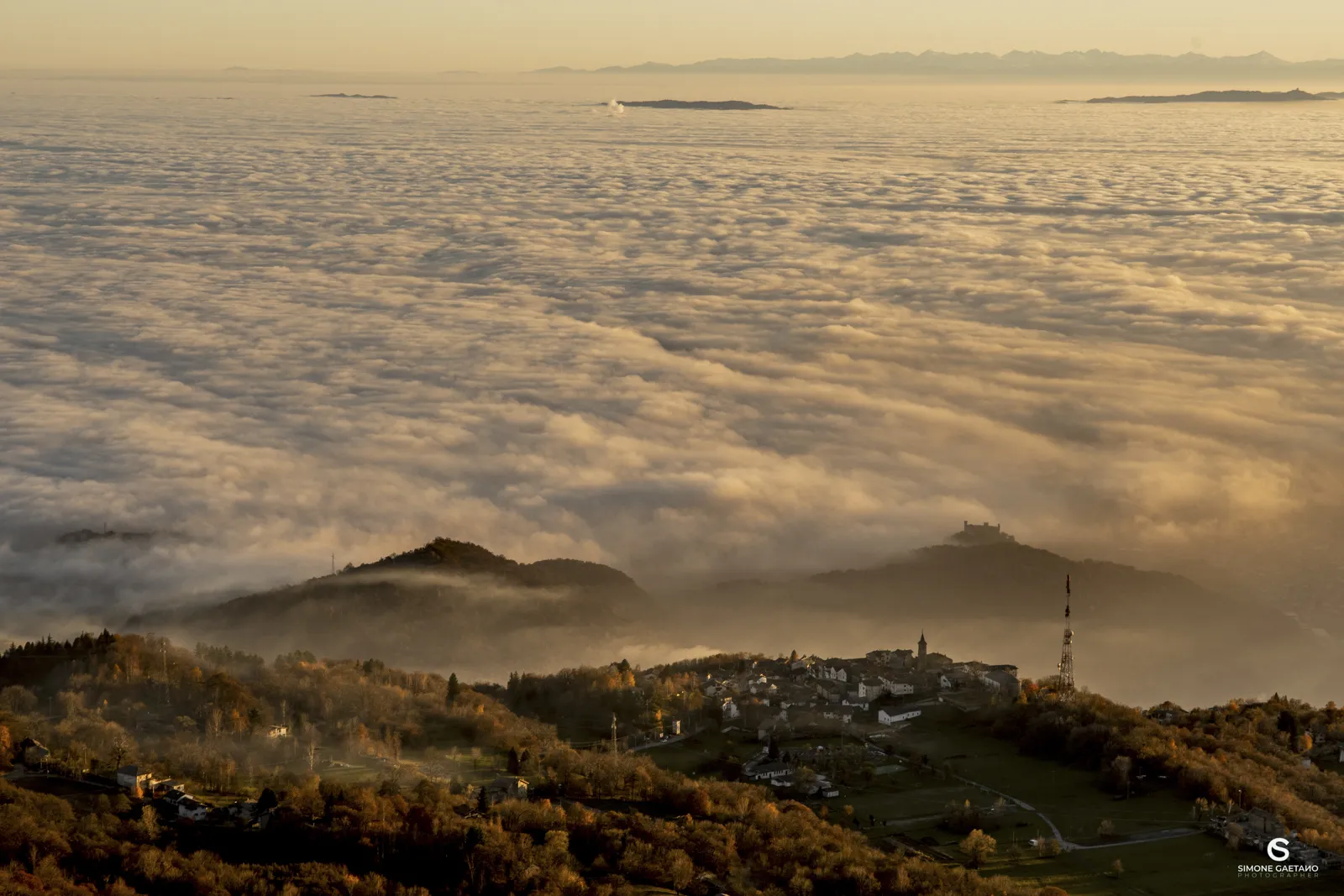
Canavese is a land with a long and fascinating history shaped by different peoples, cultures and historical events. Located between the plains of Piedmont and the Alps, this territory has long been a strategic crossroads connecting northern Italy with Alpine routes toward the rest of Europe.
From prehistoric settlements to the industrial development of Ivrea, Canavese has witnessed centuries of change. Villages, castles and communities have developed here over time, leaving visible traces that can still be discovered today throughout the region.
Early settlements and the Roman period
Human presence in the Canavese area dates back to ancient times. After the glaciers retreated at the end of the last Ice Age, they shaped the landscape that still characterizes the region today, including the impressive morainic amphitheatre of Ivrea and the long ridge known as the Serra Morenica.
Before the arrival of the Romans, the territory was inhabited by the Salassi, an Alpine population that controlled important routes leading toward the Aosta Valley and the mountain passes.
In the 2nd century BC, the Romans conquered the area and founded the city of
Ivrea, known in Roman times as Eporedia. The city soon became an important military and commercial center along the road connecting the Po Valley with the Alpine regions.
During this period the surrounding countryside was developed with agricultural villas, roads and rural settlements, some of which later evolved into the villages that exist today.
The Middle Ages: the land of castles
After the fall of the Roman Empire, the region experienced centuries of instability and political change. Between the 9th and 12th centuries Canavese became a strategic territory contested by local lords, bishops and noble families.
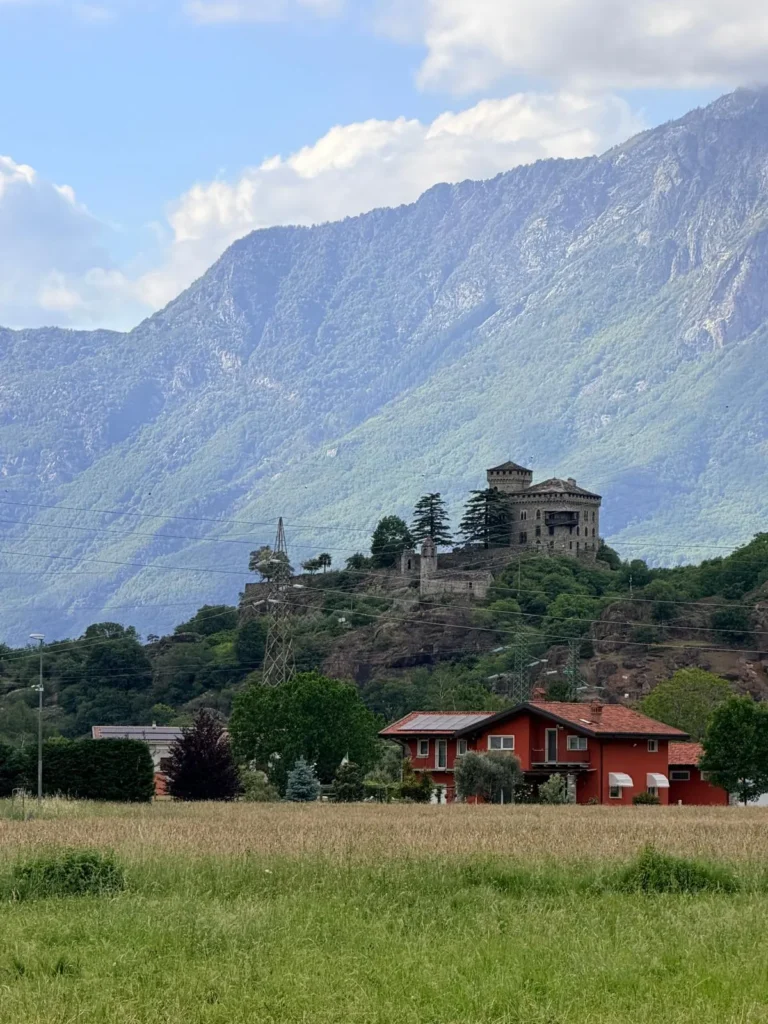
During this period many of the castles that still shape the landscape of Canavese were built. These fortifications were essential for controlling the territory and protecting local communities.
Among the most notable castles are:
- Castello di Masino
- Castello Ducale di Agliè
- Castello di Pavone
Many villages also developed ricetti, fortified complexes used to store food supplies and protect the population during attacks.
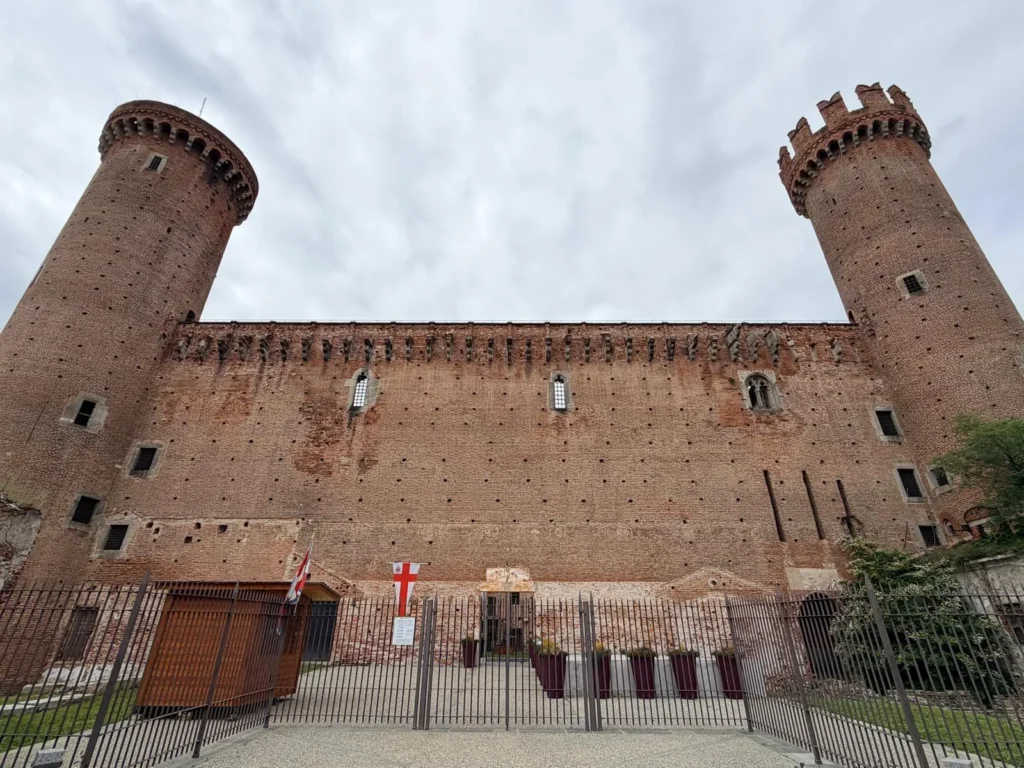
This medieval heritage still defines much of the region today. Towers, defensive walls and historic villages remain visible reminders of that era.
Canavese and the House of Savoy
From the late Middle Ages onward the territory gradually came under the influence of the House of Savoy, which expanded its power across much of Piedmont.
Over the centuries many medieval fortresses were transformed into elegant noble residences and country estates. Some castles evolved from defensive strongholds into refined residences used by aristocratic families.
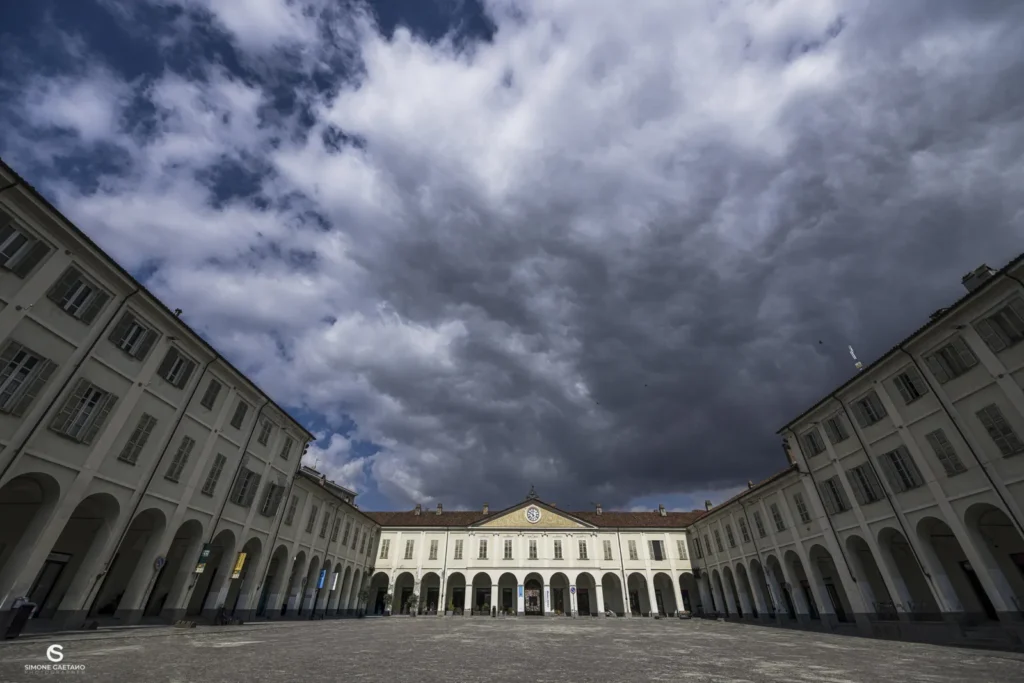
One of the most important examples is the
Castello Ducale di Agliè, which later became a Savoy residence and today is part of the UNESCO-listed Royal Residences of Piedmont.
Despite these transformations, the Canavese region remained largely rural for centuries, characterized by small villages, vineyards and agricultural landscapes.
The 19th century and industrial transformation
During the 19th century the region began to change significantly. The city of Ivrea developed into one of the most important industrial centers in Piedmont.
The most important transformation came in the 20th century with the rise of Olivetti, a company that turned Ivrea into an internationally known center of technological innovation and progressive industrial design.
The growth of industry brought economic development, modern urban planning and important cultural changes to the area. Today the Olivetti industrial heritage is recognized internationally, and the historic industrial site of Ivrea has been included in the UNESCO World Heritage List.
Canavese today
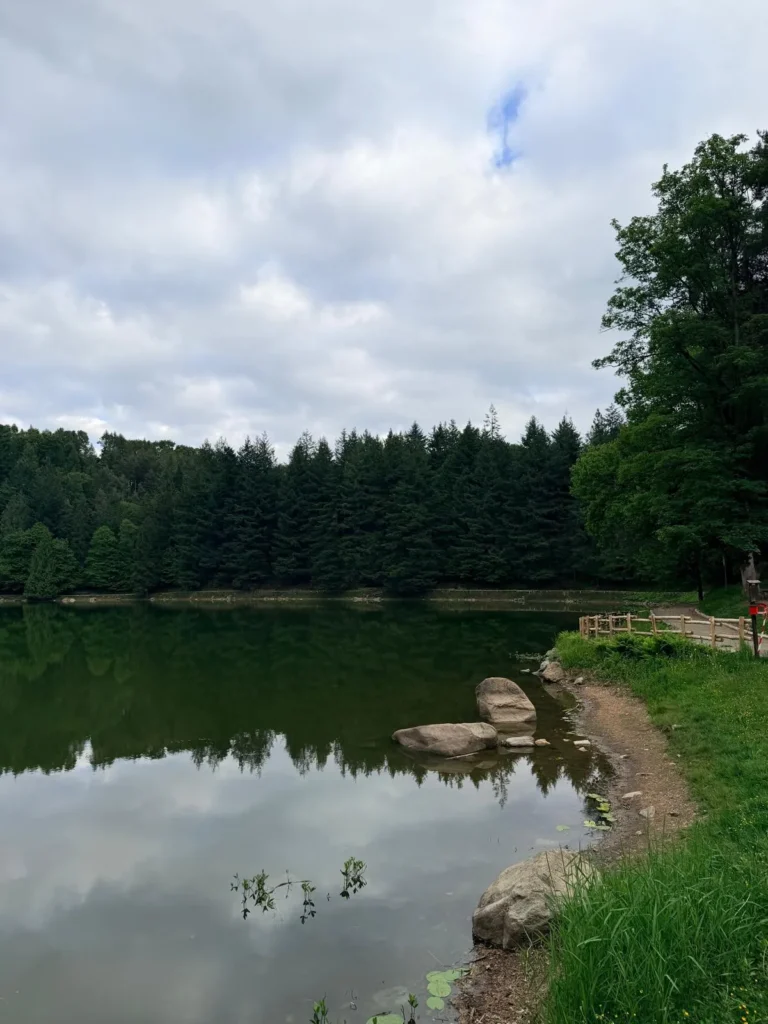
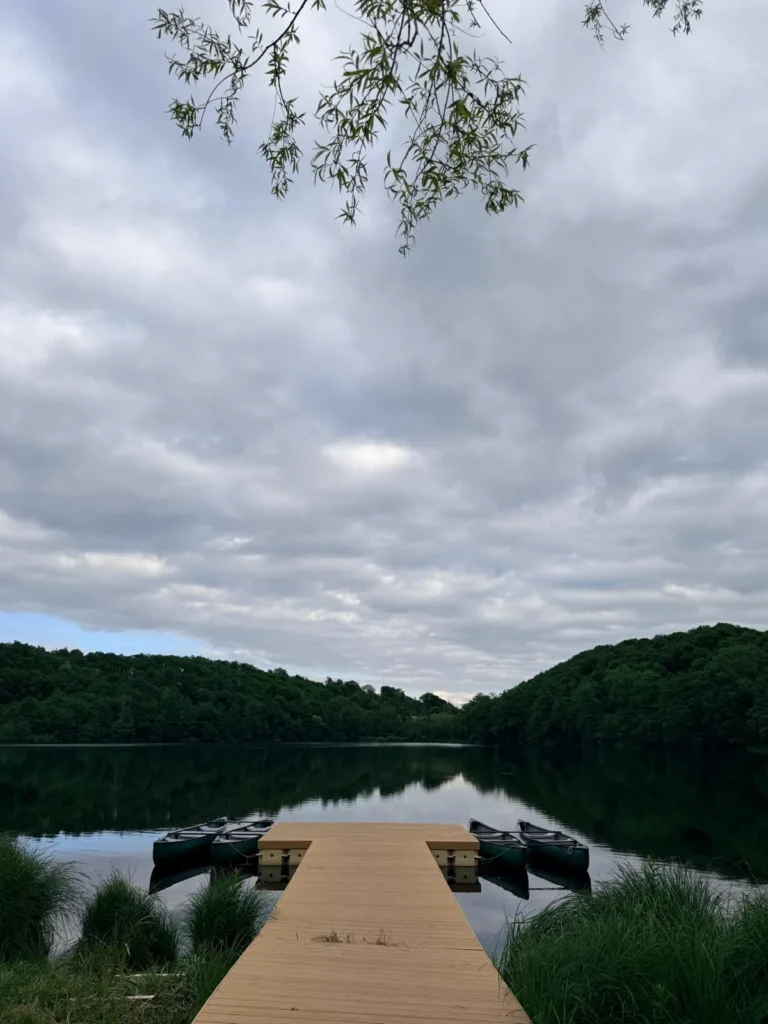
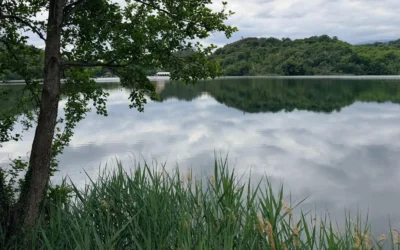
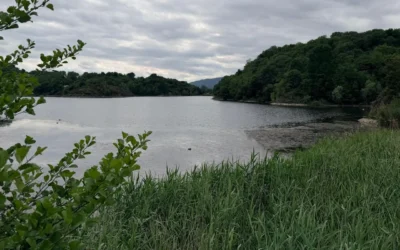
Today Canavese is a region where history, landscapes and traditions coexist. Medieval castles, historic villages, morainic lakes and rolling hills covered with vineyards all tell the story of a territory that has evolved over centuries.
Visitors exploring the area today can discover:
- traditional food culture and local events.
- historic villages rich in heritage
- castles and noble residences
- natural landscapes between hills and mountains
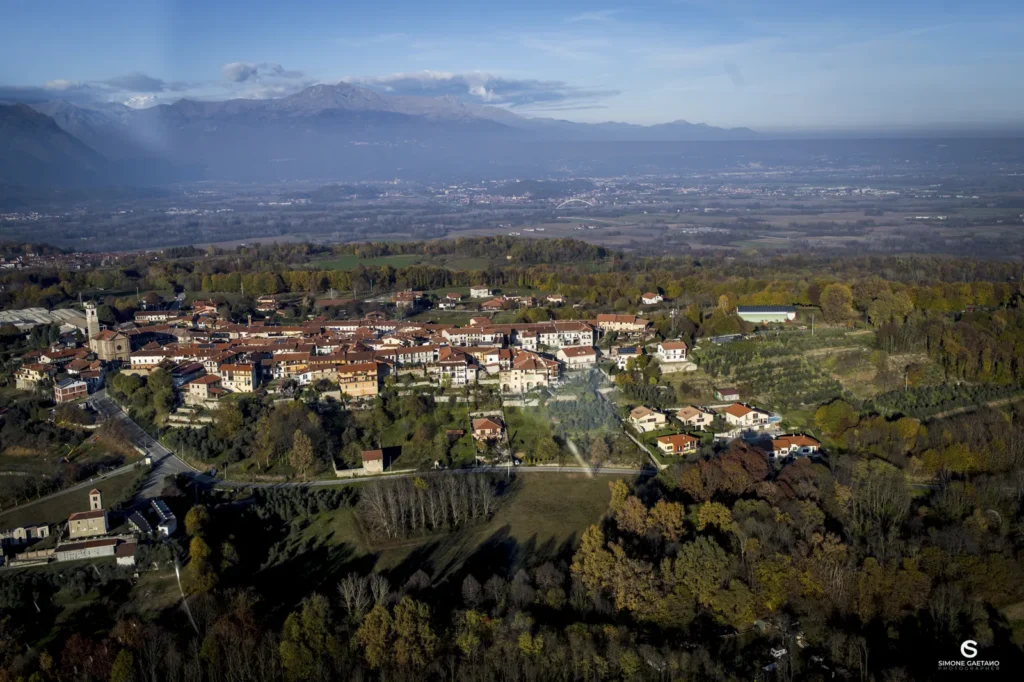
Just a short distance from Turin, Canavese remains one of the most authentic and fascinating areas of Piedmont for travellers interested in history, culture and nature.